About Mupirocin API Powder
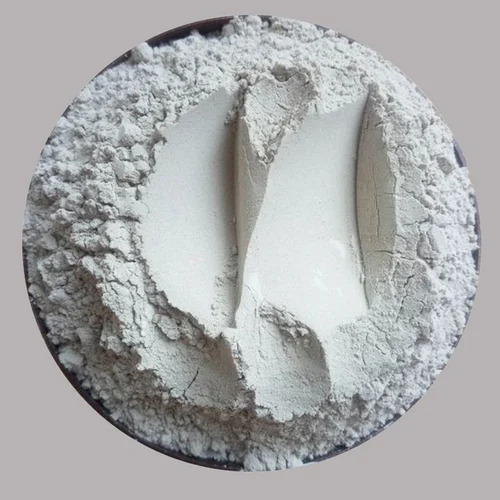
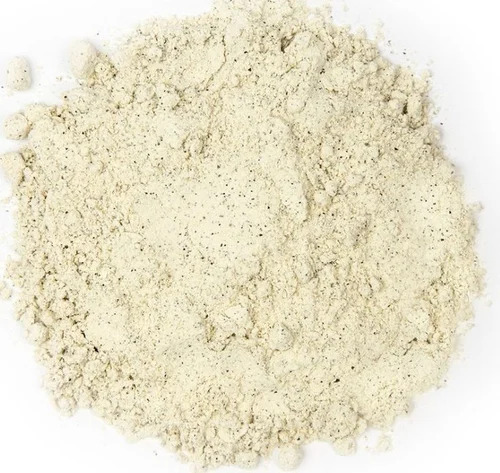
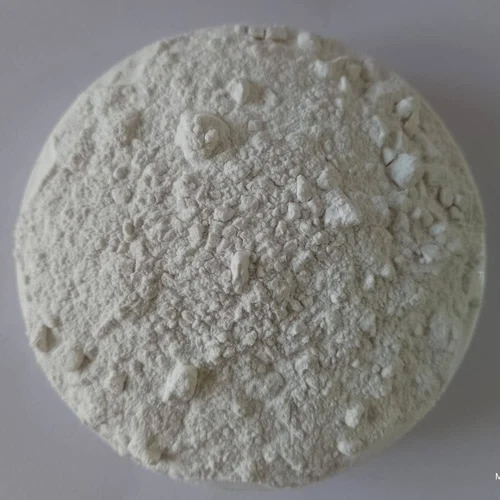
Experience prodigious savings and noble quality with our Mupirocin API Powder, expertly manufactured and exported from India. A champion antibacterial (topical) agent, it stands out with exceptional purity (>99%), crystalline form, and stable, pharmacopeia-compliant microbial limits. This pharmaceutical raw material is ideal for ointment production, featuring a neutral odor, tasteless profile, and IP grade assurance. Special drum and bag packaging ensure integrity during transit. Choose our Mupirocin API Powder for a superior purchase that meets rigorous industry standards with steadfast reliability.
Key Features & Commercial Applications of Mupirocin API Powder
Mupirocin API Powder delivers excellent performance with its high purity and stable crystalline composition, making it a noble choice for pharmaceutical manufacturers. Commercially, this product is widely used in the production of antibacterial ointments due to its effective pseudomonic acid antibiotic class. For optimal results, blend the powder as directed during ointment formulation. Its neutral odor, tastelessness, and customizable particle size further enhance its fit for various topical antibiotic applications and formulations.
Sample Policy, Supply Capability & Payment Terms
Our sample policy ensures that commercial buyers can assess product quality before significant expenditure. Samples are promptly handed over, with freight charges typically covered by the purchaser. With prodigious supply ability owing to advanced manufacturing, we cater to large-scale demands seamlessly. Payment terms remain flexible and competitive, championing ease of transaction for exporters, suppliers, and traders. Partner with us for reliable deliveries and consistent supply of Mupirocin API Powder.
FAQ's of Mupirocin API Powder:
Q: How can Mupirocin API Powder be used in ointment production?
A: Mupirocin API Powder is typically blended with appropriate bases and excipients as per pharmaceutical guidelines, to produce topical antibacterial ointments.
Q: What benefits does your Mupirocin offer for manufacturers and formulators?
A: Our Mupirocin API Powder provides high purity, stable physical properties, and reliable compliance with pharmacopeial standards, enabling consistent output and efficacy in finished products.
Q: Where is the Mupirocin API Powder manufactured and supplied from?
A: This bulk API powder is manufactured, exported, supplied, and traded from India, supported by robust production and export infrastructure.
Q: What is your sample policy for Mupirocin API Powder?
A: We provide samples on request, with freight charges to be borne by the recipient. This allows quality evaluation before finalizing a bulk purchase.
Q: How should Mupirocin API Powder be stored to ensure its stability?
A: Store Mupirocin in a cool, dry place, sealed in drum or bag packaging to maintain its stability and ensure maximum shelf life of up to 3 years.
Q: What commercial applications is this API particularly suited for?
A: The powder is ideally suited for manufacturing antibacterial ointments and other topical pharmaceutical preparations requiring a high-quality pseudomonic acid class antibiotic.
 Send Inquiry



 Send Inquiry

 Send Inquiry